
Buyer’s guide · Updated 2 November 2026
UK House Viewing Checklist: What to look for
Wondering what to look for when buying a house in the UK? Start with the structure, signs of damp, heating and water, then consider how the home and neighbourhood fit your daily life. Use this checklist to ask better questions before you make an offer.
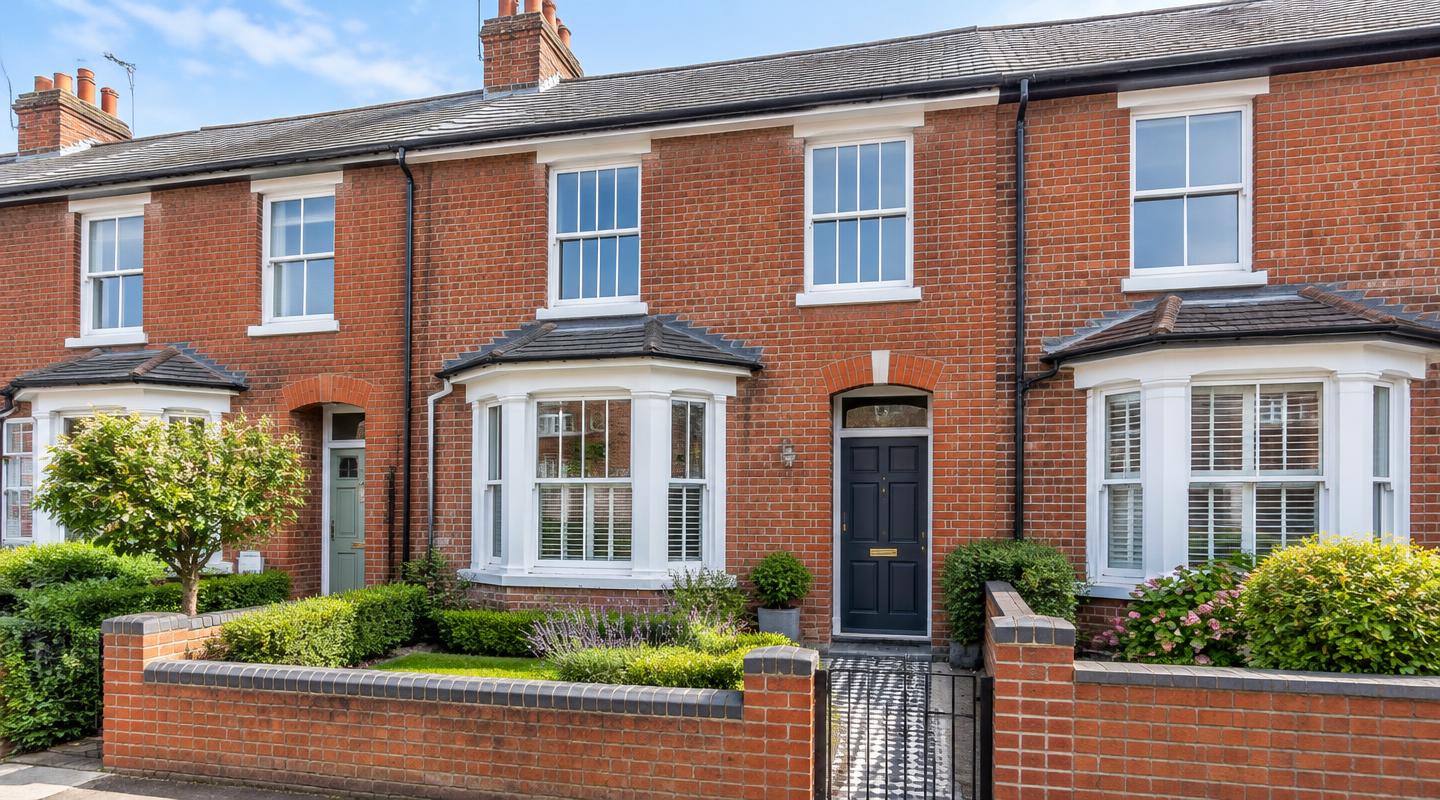
A viewing is not a survey. This is general guidance, not structural, legal or financial advice. Never test gas or electrical systems, climb onto roofs or enter unsafe areas. Ask permission before operating fixtures or taking photos, and refer concerns to a qualified professional.
1. Before the viewing
A little preparation makes it easier to spot what matters rather than getting distracted by the furniture.
Set your priorities
List your non-negotiables: budget, bedrooms, accessibility, commute, parking and outdoor space. Include repair costs in your budget, not just the asking price.
Read the listing critically
Compare the floor plan with the photos. Check room measurements, tenure, the EPC and any missing information. Ask which areas you will be able to see, including communal spaces.
Research the address
Look at recent sold prices, local planning applications and available flood information. Nearby sales are a starting point, not a valuation: condition, size, tenure and timing all affect price.
Bring a practical checklist
Take a tape measure, your furniture dimensions and somewhere to record notes. Arrange a daylight viewing where possible and ask permission before taking photographs.
2. Structure, roof and exterior
Look from safe, accessible positions. A viewing can reveal warning signs, but only a suitably qualified professional can assess their cause and significance.
Walls and cracks
Look for visible cracks around doors and windows, bulging walls, crumbling mortar and damaged render. Record where they are and ask about previous movement, subsidence, repairs and insurance claims. A crack alone does not diagnose a structural problem.
Roof, chimneys and gutters
From ground level, look for missing or slipped tiles, an uneven roofline, leaning or damaged chimney masonry and gutters that appear broken or blocked. Ask when the roof was repaired and whether guarantees are available.
Drainage and ground levels
Notice standing water, overflowing drains, leaking downpipes and ground sloping towards the building. Ask about drainage problems and flooding. Do not lift heavy drain covers yourself.
Windows and external doors
With permission, check opening, closing and locks. Look for rotting frames, damaged seals or misting between double-glazed panes. Ask about installation dates and paperwork.
Trees, boundaries and outbuildings
Note large trees close to the home, damaged retaining walls and the condition of garages or sheds. Ask who maintains fences and shared access; your conveyancer must verify boundaries and legal rights.
3. Damp, ventilation and interior condition
Damp can have several causes, including leaks and condensation. Avoid assuming a cosmetic repair solves the underlying issue.
Smells, stains and mould
Notice musty smells, visible mould, peeling wallpaper, tide marks and stained ceilings. Look at accessible corners and around windows. Ask about leaks, damp investigations and remedial work; fresh decoration is not proof that a problem has been resolved.
Floors, ceilings and joinery
Notice uneven or springy floors, sagging ceilings and doors that stick. Ask whether the condition has changed. Do not move the seller’s possessions or pull up floor coverings.
Ventilation
Look for extractor fans in bathrooms and kitchens, window ventilation and condensation. Ask how the home is heated and ventilated in winter, and whether any recurring mould has been treated.
Lofts and inaccessible areas
Ask about insulation, roof leaks and what a surveyor can access. Do not climb into a loft or enter unsafe spaces during the viewing. Record areas you could not inspect rather than assuming they are sound.
4. Heating, water, electrics and energy
Check everyday usability with permission, and ask for records. A working light or warm radiator does not establish that an installation is safe.
Heating and boiler
Ask the boiler’s age, fuel type, service history and known faults. Find out whether the heating covers every room and when radiators or controls were last replaced. Request relevant installation and servicing records.
Water and plumbing
With permission, run taps, check hot-water flow and flush toilets. Ask about shower pressure and look for visible leaks below sinks where accessible. Ask whether water supply or drains are shared, and whether the home uses mains drainage or a private system.
Electrical installation
Look at socket locations, visible wiring and the apparent condition of switches. Ask about rewiring and any electrical inspection report. Never remove covers or test wiring yourself; concerns belong with a qualified electrician.
EPC and running costs
Read the Energy Performance Certificate’s current rating and recommended improvements. Ask about insulation, glazing and typical energy use. The EPC is not a survey and its estimates are not a promise of your future bills.
Alarms and specialist systems
Ask about smoke and carbon-monoxide alarms, security systems, solar panels, heat pumps and maintenance. For solar panels, clarify ownership, any roof lease and transferable agreements through your conveyancer.
5. Layout, light and everyday living
Imagine an ordinary weekday in the home, not just the presentation on viewing day.
Room sizes and storage
Measure key spaces with permission, including doorways, stairs and space for appliances. Check where coats, bikes, bins and larger items would go. A room labelled a bedroom may not suit your intended use.
Light, privacy and noise
Notice window orientation, overlooked rooms and noise from neighbouring homes or communal corridors. Ask to spend a moment quietly in the main rooms. A single visit cannot establish how quiet the property is at other times.
Garden and parking
Consider garden maintenance, sunlight, access and drainage. Check whether parking is allocated, permit-based or informal. Do not assume a space outside the home belongs to it.
Mobile and broadband
Check your phone signal inside and use address-level broadband availability checks. Ask what service the seller uses; advertised coverage and actual speeds can differ.
Accessibility and future needs
Think about steps, bathroom access, work-from-home space and changing household needs. If you plan alterations, do not assume permission, structural suitability or affordability.
6. Neighbourhood and local area
The street is part of the purchase. Walk the surrounding area and return at another time if you are seriously considering an offer.
Traffic and transport
Try your likely commute and check public transport frequency, not just distance to a station. Look for school-run congestion, busy junctions, delivery traffic and parking pressure.
Noise at different times
Visit in the evening or at a weekend to assess nearby pubs, roads, railways and commercial activity. Be respectful of residents and do not enter private land.
Amenities and schools
Check practical access to shops, healthcare, green space and childcare. If schools matter, confirm admissions arrangements with the relevant authority; proximity does not guarantee a place.
Planning and development
Search the local authority’s planning portal for nearby proposals and ask about changes on adjoining land. A pleasant view today is not guaranteed to remain unchanged.
Flood and environmental risks
Use the relevant public flood service for England, Wales, Scotland or Northern Ireland. Ask about previous flooding and insurance availability. Public maps are a screening tool, not a property-specific survey or legal search.
7. Tenure, flats and questions for the agent
Ask questions now, then have important answers confirmed through documents and your conveyancer. Agents may need to refer a question to the seller.
Reason for sale and chain
Ask why the seller is moving, how long the property has been marketed, whether previous sales fell through and whether there is an onward chain. Discuss preferred timing without treating an estimate as a guaranteed completion date.
Freehold or leasehold
Confirm the tenure. For leasehold homes, ask for the remaining lease term, ground rent, service charge, recent accounts, reserve fund and planned major works. Have your conveyancer assess terms and your lender’s requirements.
Communal areas and building safety
For flats, inspect accessible entrances, stairs, lifts and shared spaces. Ask who manages the building, about fire-safety information, relevant cladding assessments and outstanding remedial works. Do not assume an EWS1 is needed for every flat; your lender and adviser can confirm what applies.
Alterations and documents
Ask about extensions, loft conversions, removed walls and replacement windows, and request relevant planning, building-regulations and guarantee documents. Lack of paperwork needs professional investigation, not a viewing-day workaround.
What stays and what is shared
Clarify appliances, fittings, garden structures, access routes and any shared services. Ask about disputes and restrictions on use. Get agreed inclusions recorded in the sale paperwork rather than relying on a verbal promise.
8. After the viewing and before an offer
Turn your observations into questions, evidence and a realistic budget rather than a simple pass or fail.
Record facts separately from impressions
Write dated notes straight away. Separate what you saw, what the seller said and what remains unverified. Compare homes using the same priorities and arrange a second viewing for unanswered questions.
Budget for repairs
Ask qualified tradespeople for estimates where needed, subject to access permission. Do not use a broad online estimate as a firm quote or assume a price reduction covers hidden defects.
Choose an appropriate survey
Discuss the home’s age, condition and alterations with a surveyor. A lender’s valuation is not a substitute for your own survey. A survey may recommend further specialist inspections before you commit.
Check the local buying process
Rules differ across the UK. In Scotland, ask for the Home Report where required and discuss its scope with your solicitor. England, Wales and Northern Ireland have different arrangements; take local advice before making commitments.
Red flags worth investigating
Unexplained movement, recurring water damage, unresolved building-safety concerns, unclear lease costs or missing alteration documents deserve follow-up. None can be reliably diagnosed at a viewing. Ask for evidence, obtain professional advice and understand the costs and risks before proceeding. Refusal to provide access or answer reasonable questions is a reason to pause, not to guess.
Sources and further reading
Prepared by Muvemate using the following consumer guidance. Check the relevant local rules and seek advice for your specific property.
Research a property before your next viewing
Use available public property data alongside your viewing notes. Missing data is not an all-clear, and an online report does not replace a survey or your conveyancer’s checks.